
A Miscarriage Is An Incredibly Difficult Time Both Mentally And Physically
Pregnancy loss is a deeply painful, and
unfortunately, all-too-common experience. I
experienced this when I had a miscarriage at 9
weeks. Being told, there was no longer a viable
pregnancy was devastating.
Mentally you’re grieving. Physically, your body is
mending, and it might take up to a month or
more for it to recover. Nourishing your body
after a miscarriage can support the healing
process, both physically and emotionally.
1 - Foods To Replenish Iron Stores
No matter when or how your pregnancy
ends, your body loses blood, and
miscarriage bleeding can be significant. It’s
important to include iron-rich foods such as
red meat, poultry, green leafy vegetables,
lentils, spinach, or brown rice to
compensate for the blood loss that is
happening.
It is a good idea to have your iron levels
tested after a pregnancy loss as an iron
supplement may be required.
2 - Foods rich in Vitamin C for tissue repair
Vitamin C is required for tissue healing and
repair.
Including foods high in vitamin C is also
really important for supporting iron stores
particularly if you are taking in alot of non-
heme (plant) iron such as lentils, chickpeas,
pumpkin seeds, dried apricots because
vitamin C will aid in iron absorption. It is a
good idea to combine a non-heme iron
source with vitamin C, for example by
eating lentils in a tomato sauce with
broccoli.
3 - High Protein Foods For Tissue Healing
Protein is required to help the body to
heal. It is composed of amino acids which
are used for cell growth, muscle and tissue
repair.
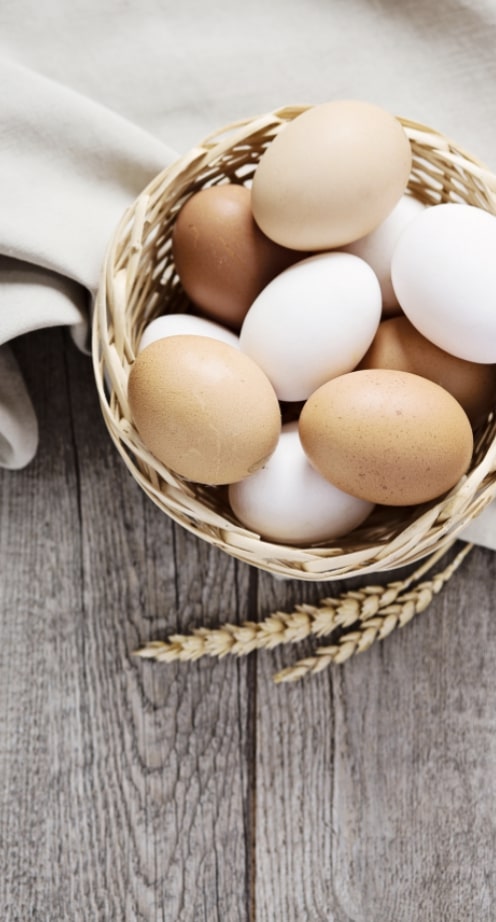
High protein foods include red meat,
poultry, seafood, eggs, beans, lentils,
dairy products, soy products like tofu, nuts
and seeds. A portion of protein is the size
and thickness of the palm of your hand.
Including a source of protein with each
meal and snack is advisable. Easy snack
protein options include nuts, seeds, Greek
yoghurt, boiled eggs and nut butters.
4 - Carbohydrates For Energy
After miscarriage, energy levels in the
body can be low resulting in fatigue and
weakness. Carbohydrates provide energy
to the body as well as supporting mood.
Choose complex carbohydrates like
brown rice, whole grain bread, pasta,
oats, whole grain crackers and quinoa.
5 - Hydration
Hydration is needed to replace lost fluids
after pregnancy loss.
Consuming lots of water (ideally 2 litres) is
the priority, although other liquids like
juices, soups, stews and broths can also
contribute to total fluid intake.